Mixing paddle for mortar
Mortar mixing paddles for bricklaying mortar, tile adhesive, render and screed. Toolty paddles with M14, SDS Plus and hex shanks, including positive (bottom-up) spirals that lift heavy mortar off the bottom of the bucket, in galvanised or powder-coated steel, with heads up to 200 mm.
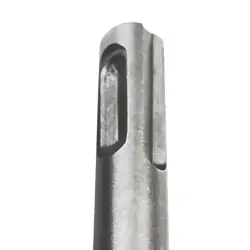
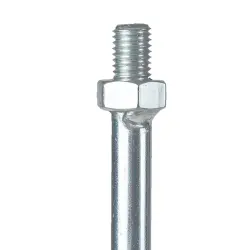
Shop by shank: M14 for paddle mixers · SDS Plus · hex for standard drills
Mortar mixing guide: paddle, drill & FAQ
Which paddle for mortar?
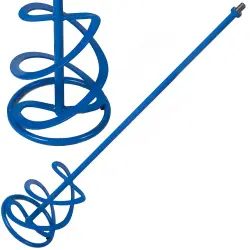
- Positive (bottom-up) spiral: lifts heavy, sandy mortar up from the bottom of the bucket, which is the best action for mortar, render and screed.
- Head size: 120–140 mm for a standard bucket, 160–200 mm for large tubs and bigger batches.
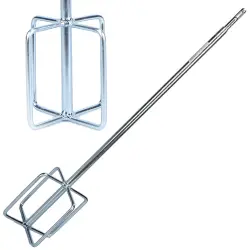
- Tile adhesive: an Italian whisk or helix paddle mixes adhesive quickly and smoothly.
Drill power for mortar
Mortar is heavy, so use a corded drill of around 1000 W, an SDS drill in rotation-only mode, or a dedicated paddle mixer with an M14 paddle. Small cordless drills can overheat.
How to mix mortar with a paddle
- Add water to the bucket first, then the dry mix, a little at a time.
- Start slowly with the paddle in the mix, then increase speed.
- Work the paddle up and down and around the edges until there are no dry pockets.
- Rinse the paddle straight away. Hardened mortar unbalances the paddle.
Mortar paddle FAQ
Can I mix mortar with a normal drill?
Small batches, yes, with a powerful corded drill. For regular or large batches, use a paddle mixer or SDS drill.
Can I use the same paddle for mortar and concrete?
Yes, a heavy-duty positive paddle handles both. See concrete mixing paddles.
Showing all 21 resultsSorted by popularity
-
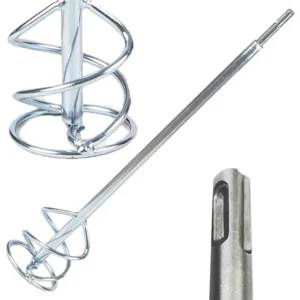
Propeller Mixing Paddle 85×450/650mm SDS Steel Positive 2Blade For Leveling Mass
From £7.39 Inc. VAT Select options This product has multiple variants. The options may be chosen on the product page -
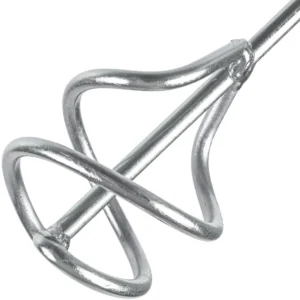
Mixing Paddle Steel Rounded Shank For Adhesive Plaster Mortar Toolty
From £1.81 Inc. VAT Select options This product has multiple variants. The options may be chosen on the product page -
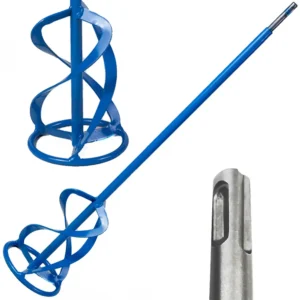
Professional Mixing Paddle 120×600/750mm SDS Plus For Concrete Plaster
From £12.00 Inc. VAT Select options This product has multiple variants. The options may be chosen on the product page -
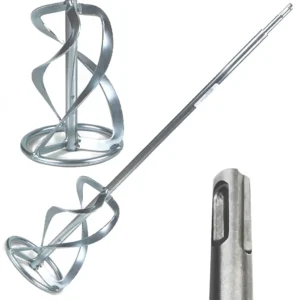
Pro Mixing Paddle Mixer Whisk 120×600/750mm SDS Plus Galvanized Toolty
From £12.35 Inc. VAT Select options This product has multiple variants. The options may be chosen on the product page -
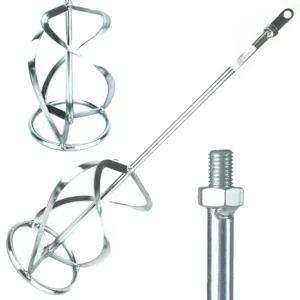
Pro Mixing Paddle Multi Size M14 Thread Negative Steel For Concrete Plaster Toolty
From £12.89 Inc. VAT Select options This product has multiple variants. The options may be chosen on the product page -
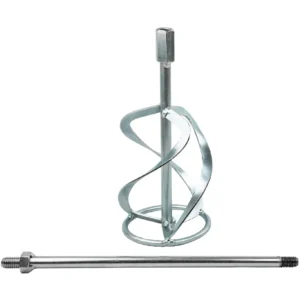
Professional Mixing Paddle M14 Thread Steel Positive 3Blade Various Sizes Toolty
From £12.11 Inc. VAT Select options This product has multiple variants. The options may be chosen on the product page -
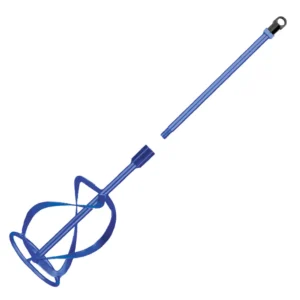
Assembled Professional Mixing Paddle Mixer Stirrer M14 Steel Positive 3Blade Toolty
From £10.63 Inc. VAT Select options This product has multiple variants. The options may be chosen on the product page -
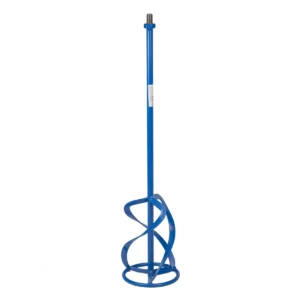
Pro Mixing Paddle Multi-Size M14 Stirrer Steel For Concrete Plaster Toolty
From £11.39 Inc. VAT Select options This product has multiple variants. The options may be chosen on the product page -
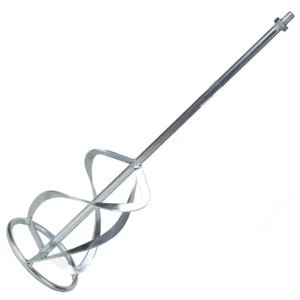
Pro Galvanized Steel Mixing Paddle Stirrer Mixer Whisk Agitator M14 Toolty
From £11.39 Inc. VAT Select options This product has multiple variants. The options may be chosen on the product page -
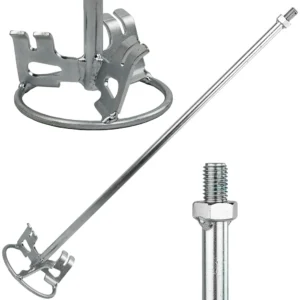
Rendeer Mixing Paddle For Drill M14 Thread Steel For Plaster Glue Paint Gypsum Toolty
From £20.39 Inc. VAT Select options This product has multiple variants. The options may be chosen on the product page -
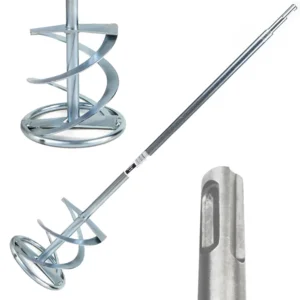
Italian Mixing Paddle Mixer Whisk SDS Galvanized Steel Positive Toolty
From £10.39 Inc. VAT Select options This product has multiple variants. The options may be chosen on the product page -
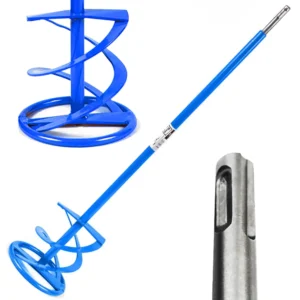
Italian Mixing Paddle 120×600/750 mm SDS Powder Coated Toolty
From £9.99 Inc. VAT Select options This product has multiple variants. The options may be chosen on the product page -
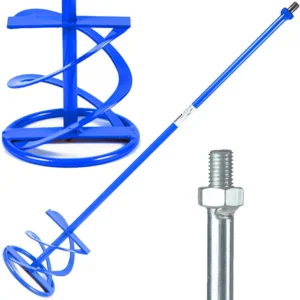
Italian Mixing Paddle Whisk M14 Thread Powder Coated ForAdhesive Mortar Plaster Toolty
From £10.99 Inc. VAT Select options This product has multiple variants. The options may be chosen on the product page -
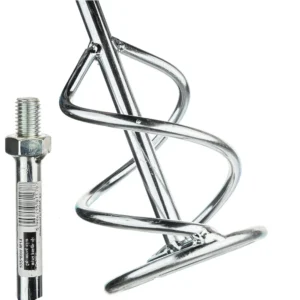
Propeller Mixing Paddle 105x600mm M14 Thread Galvanized/Coated Steel 2Blade Toolty
From £9.14 Inc. VAT Select options This product has multiple variants. The options may be chosen on the product page -
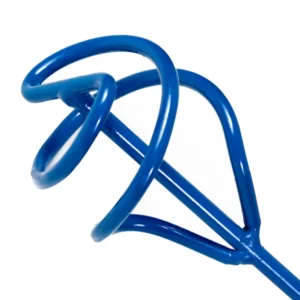
Mixing Paddle Powder Coated Rounded Shank Multi-Size Toolty
From £1.84 Inc. VAT Select options This product has multiple variants. The options may be chosen on the product page -
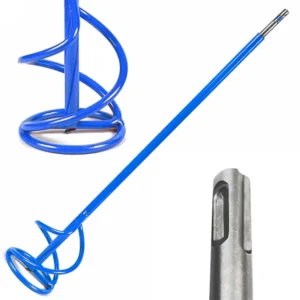
Propeller Mixing SDS Steel Positive 2Blade Leveling Mass Toolty
From £8.99 Inc. VAT Select options This product has multiple variants. The options may be chosen on the product page -
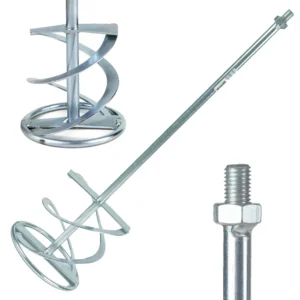
Italian Mixing Paddle Various Sizes M14 Thread Galvanized Toolty
From £11.39 Inc. VAT Select options This product has multiple variants. The options may be chosen on the product page -
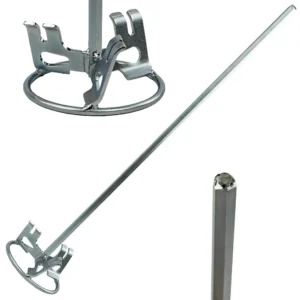
Rendeer Mixing Paddle For Drill 120x600mm HEX Toolty
-
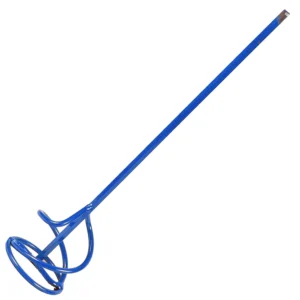
Mixing Paddle 85x400x8mm HEX Steel For Plaster Concrete Cement Mortar Toolty
-
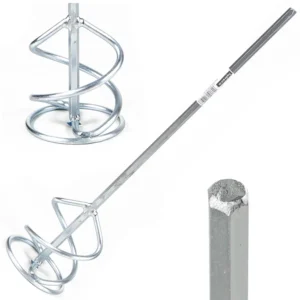
Propeller PLUS Mixing Paddle 85x400x8mm HEX Galvanized Toolty
-
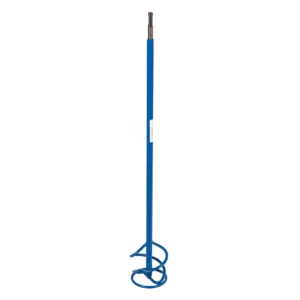
Propeller Mixing 85×450/600mm SDS Steel Positive 2Blade For Leveling Mass Toolty
From £6.39 Inc. VAT Select options This product has multiple variants. The options may be chosen on the product page