Self adhesive door threshold
Self-adhesive door threshold strips create smooth transitions between different flooring types without tools. Peel-and-stick installation delivers professional results, prevents drafts, and enhances room aesthetics in minutes.
Filter
Showing all 10 resultsSorted by popularity
-
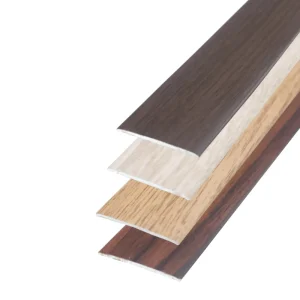
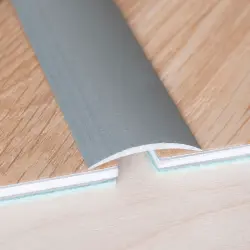
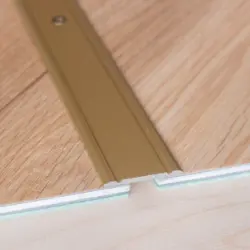
Self-Adhesive Wood Effect Aluminium Door Floor Bar Edge Trim Threshold Profile 35mm
From £4.97 Inc. VAT Select options This product has multiple variants. The options may be chosen on the product page -
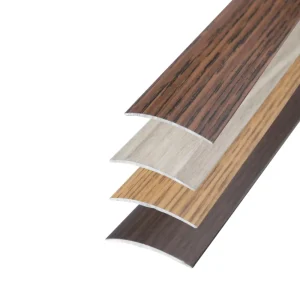
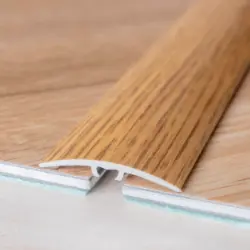
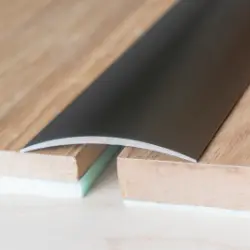
Self-Adhesive Wood Effect Aluminium Door Floor Bar Edge Trim Threshold 40mm
From £5.55 Inc. VAT Select options This product has multiple variants. The options may be chosen on the product page -
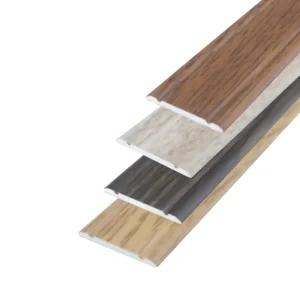
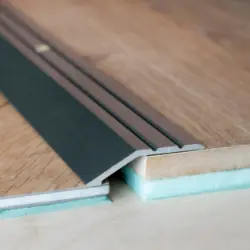
Self-Adhesive Flat Wood Effect Aluminium Door Floor Edging Bar Strip Trim Threshold 30mm
From £7.13 Inc. VAT Select options This product has multiple variants. The options may be chosen on the product page -
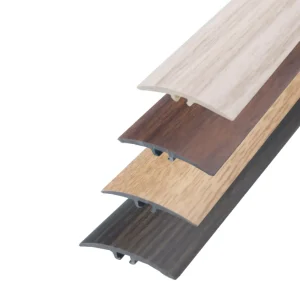
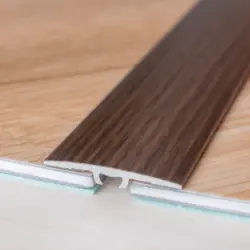
UPVC Self-Adhesive Wood Effect Door Edging Floor Trim Threshold 40mm
From £6.25 Inc. VAT Select options This product has multiple variants. The options may be chosen on the product page -
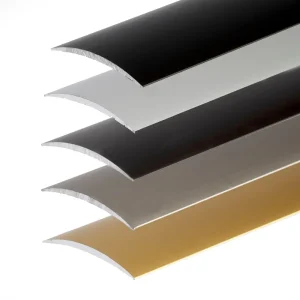
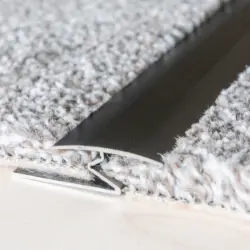
Self-Adhesive Anodised Aluminium Door Floor Bar Edge Trim Threshold 40mm
From £4.69 Inc. VAT Select options This product has multiple variants. The options may be chosen on the product page -
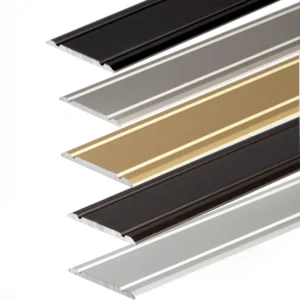
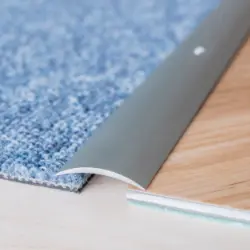
Self-Adhesive Flat Anodised Aluminium Door Floor Edging Bar Strip Trim Threshold 30mm
From £5.29 Inc. VAT Select options This product has multiple variants. The options may be chosen on the product page -
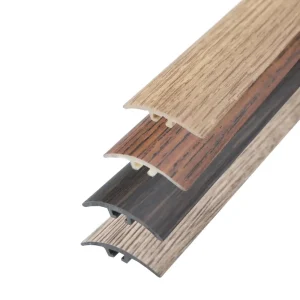
UPVC Wood Effect Self-Adhesive Door Edging Floor Trim Threshold 32mm
£3.75 Inc. VAT Select options This product has multiple variants. The options may be chosen on the product page -
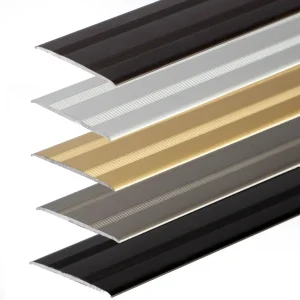
Self-Adhesive Anodised Aluminium Door Floor Bar Edge Trim Threshold Profile 35mm
From £5.82 Inc. VAT Select options This product has multiple variants. The options may be chosen on the product page -
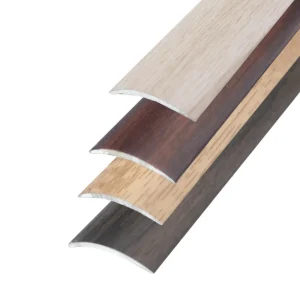
Self-Adhesive Wood Effect Door Floor Edging Bar Strip Trim Threshold 30mm
£7.89 Inc. VAT Select options This product has multiple variants. The options may be chosen on the product page -
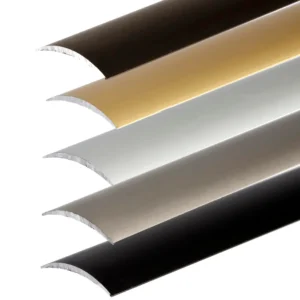
Flat Self-Adhesive Anodised Aluminium Door Floor Edging Bar Strip Trim Threshold 30mm
From £5.59 Inc. VAT Select options This product has multiple variants. The options may be chosen on the product page
Create seamless transitions between rooms with our premium self-adhesive door threshold solutions. These innovative products eliminate the hassle of traditional installation methods, requiring no drilling, screwing, or special tools – simply peel and stick for instant results.
Versatile Self Adhesive Door Threshold Options for Every Home
Our collection includes self adhesive door threshold strips flat designs that provide a smooth transition between rooms while maintaining a modern, streamlined appearance. For those seeking durability with a touch of elegance, our self adhesive aluminium threshold strip options combine strength with style, offering long-lasting performance in high-traffic areas.
Easy Installation for Different Flooring Combinations
The laminate to vinyl door bar self adhesive solutions address one of the most common flooring transition challenges homeowners face. These specially designed thresholds create a perfect bridge between different flooring materials, eliminating height differences and preventing edge damage. Available in various widths, including self adhesive door threshold strips 50mm for wider gaps, our products accommodate diverse installation needs.
Premium Finishes to Complement Your Interior Design
Enhance your home's aesthetic appeal with our adhesive door bar chrome options that add a sophisticated touch to any doorway. These sleek, metallic finishes complement both traditional and contemporary interiors, proving that practical solutions can also be stylish additions to your home.
Weather-Proofing and Energy-Saving Benefits
Beyond creating attractive transitions, our self adhesive door threshold strips effectively seal gaps that allow drafts, dust, and moisture to enter your home. This simple upgrade can improve your home's energy efficiency, potentially reducing heating and cooling costs while enhancing comfort throughout the seasons.
Start Your Simple Home Improvement Project Today
Discover professional-grade self adhesive door threshold solutions at DIYfixups. Transform your doorways with a solution that combines convenience, durability, and style – all without the need for professional installation or specialized tools.
What is a Self Adhesive Door Threshold Strip?
A self-adhesive door threshold strip is a slim transitional bar fitted at the base of doorways to bridge the gap between different floor surfaces or levels. Unlike traditional threshold strips that require you to drill visible screws into the subfloor, these strips use an industrial-strength adhesive to secure them in place
How self-adhesive door threshold strips work?
There are generally two main types of self-adhesive systems:
- Clip Systems (e.g., Easyclip): These advanced options feature a hidden adhesive base track that sticks firmly to the floor, while a top decorative profile simply clips securely over it
- Peel-and-Stick: These have double-sided adhesive tape pre-attached to the underside. To install them, you simply cut the strip to length, peel off the protective backing paper, and press the strip firmly onto the floor.
Limitations and Tips
- Surface Requirements: The adhesive will only bond effectively to hard, smooth surfaces (such as laminate, wood, vinyl, or ceramic tiles) that are completely free of dirt and grease. They cannot be stuck directly onto soft, textured materials like carpets.
- Adhesion Maintenance: While the adhesive is generally reliable, real-world application shows that sometimes longer strips can have trouble staying perfectly straight or may start to peel up at the edges over time. If this happens, applying a few drops of super glue underneath the peeling spots is a quick and effective fix.
When to use a self-adhesive threshold strip
- You have underfloor heating: Adhesive systems require no drilling, which completely eliminates the risk of puncturing hidden heating pipes or electrical cables.
- You are installing floating floors (like laminate or LVT): They allow floating floors to move, expand, and contract naturally, which prevents the flooring from cracking, buckling, or lifting.
- You want a quick, DIY-friendly installation: They are incredibly fast and easy to fit without the need for power tools or special skills.
- You are connecting hard, smooth surfaces: The adhesive bonds perfectly to flat, dirt-free surfaces like wood, laminate, ceramic tiles, and vinyl (though they cannot be stuck directly onto carpets).
- You want a clean finish: They provide a neat, modern aesthetic with no visible screw heads.
How to Measure a Door Threshold Correctly
To measure a door threshold correctly, you must carefully evaluate several dimensions: the width of the doorway, the height difference between the two floors, the required expansion gap, and the door's vertical clearance.
1. Measure the Doorway Width (for the Strip's Length)
- Measure the exact distance between the door jambs or door stops to determine the precise length of the threshold plate required.
- Account for the door frame rebates and architrave positions when taking your measurements to ensure a flush fit.
- Precision is highly important: if the threshold is cut too short, it will not fully cover the gap, and if it is too long, it could become a trip hazard and will look untidy by sticking out when the door is closed. (Note: If you are using certain specific metal track base systems, some manufacturer instructions may advise leaving a 1/2-inch gap on each side).
2. Measure the Height Difference Between Floors
- Take height measurements at multiple points along the doorway. Subfloors are rarely perfectly even, especially in older properties, so checking multiple spots ensures you get an accurate picture of the transition.
- Use a spirit level to check the floor for any slopes. Rigid threshold strips are sturdy and will not bend; if the height level varies significantly from one side of the door frame to the other, you may need to level the subfloor first.
- The maximum height difference dictates the type of profile you need. Floors of the exact same height require a T-mould or flat strip, small steps (e.g., 3mm to 8mm) generally require a reducer, and larger uneven gaps (up to 30mm) require an adjustable ramp system.
3. Measure the Floor Gap for Proper Coverage
- Floating floors (like laminate or click LVT) naturally expand and contract, meaning you must leave an expansion gap between the floors—typically 5mm to 12mm depending on the manufacturer.
- Ensure the threshold strip you select is wide enough to cover this gap completely. Cover faces commonly range from 20mm up to 50mm wide; choosing a wider face is highly recommended to easily hide larger expansion gaps or imperfect, uneven floor cuts.
4. Check the Vertical Door Clearance
- Measure the vertical space between the subfloor/flooring and the bottom of the door leaf to ensure the door will swing open and closed freely without rubbing against the new threshold bar.
- An internal door clearance of about 10mm is common, but some threshold plates explicitly require a minimum of 8mm of clearance to operate safely and effectively. If the new threshold makes the fit too tight, you may need to plane the bottom of the door.
Pro Tip for Placement: When evaluating your measurements and planning the installation, aim to centre the threshold strip directly under the closed door. This creates a clean, professional aesthetic so the transition strip cannot be seen from either room when the door is shut.
Common Problems Solved by Door Threshold Strips
Tripping Hazards: They safely bridge the height difference between uneven floors, creating a smooth slope.
Damaged Edges: They protect exposed, raw flooring edges from fraying, chipping, or cracking under heavy foot traffic.
Buckling Floors: They conceal essential expansion gaps, allowing floating floors (like laminate) to naturally expand and contract without lifting or cracking.
Draughts, Leaks, and Pests: They seal the gap beneath doors, keeping out rainwater, cold draughts, and insects, which helps lower energy bills.
Messy Transitions: They hide awkward, unfinished gaps between different flooring materials, providing a neat and professional look