Internal Louvre Doors: Ventilated Storage Solutions
Internal louvre doors are a versatile and functional addition to the home, characterised by their open slat design which allows for consistent air circulation. Commonly known as “slatted” or “shutter” doors, they are the industry standard solution for areas prone to moisture or heat buildup, such as airing cupboards, boiler rooms, and kitchen pantries.
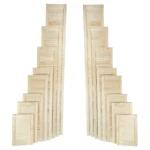
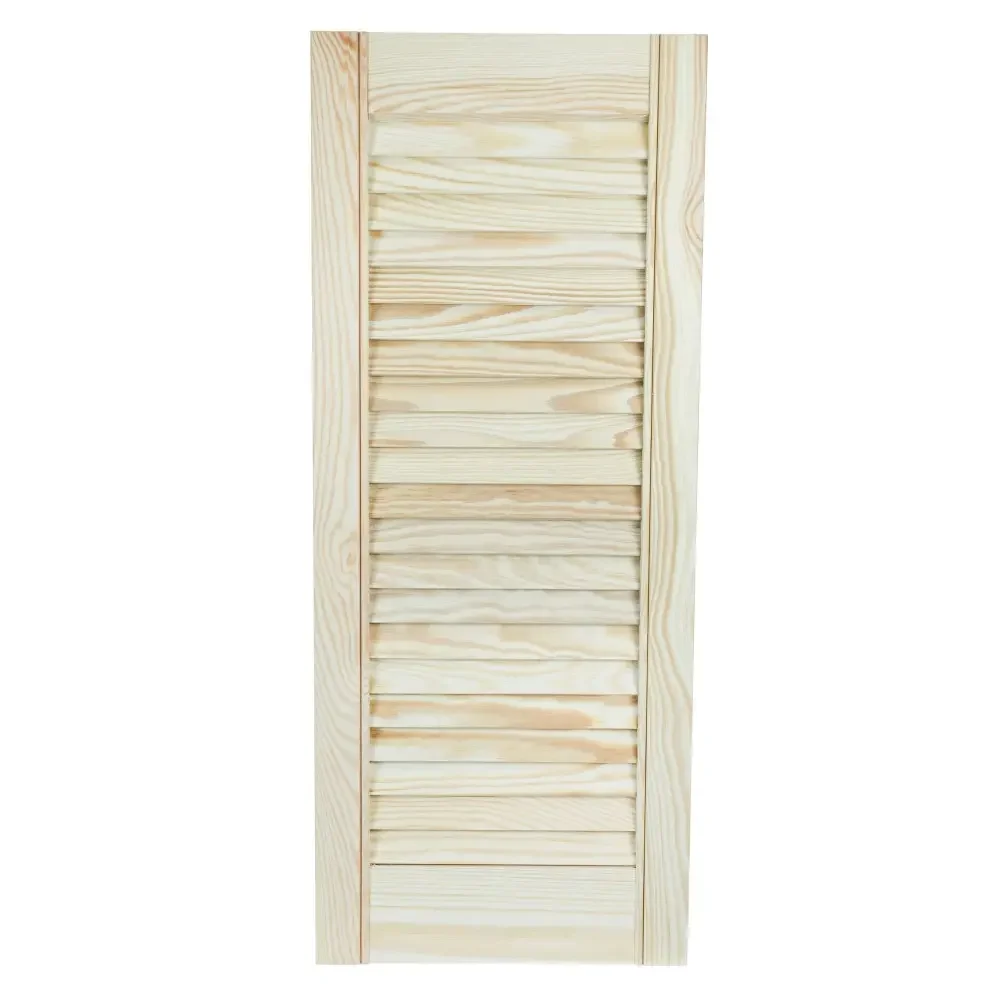
Most standard internal louvre doors feature a thickness of 21mm and an open design that leaves a gap (typically around 5mm) between each slat. This construction offers a balance of privacy and breathability, ensuring contents remain hidden while preventing the stale odours associated with closed storage.
Shop Louvre Doors by Finish & Style
When selecting a louvre door, the primary choice is between unfinished timber for custom projects or pre-painted options for immediate installation.
Clear Pine Louvre Doors (Unfinished)
Clear pine doors are manufactured from high-grade timber, such as Pinus sylvestris, which is chosen for its fast growth and lack of knots.
- Best for: DIY enthusiasts and period properties.
- Customisation: These doors are supplied in a natural state, ready to be painted, stained, or varnished to match your existing skirting boards or architraves.
- Durability: The solid construction makes them ideal for custom projects where a specific timber finish is required.
Bi-Fold & Sliding Louvre Systems
Louvre doors are not limited to traditional hinged applications. They are frequently installed as bi-fold systems or on sliding tracks. This is particularly effective in tight spaces, such as walk-in wardrobes or small pantries, where a standard door swing would obstruct the room.
Why Choose Open Louvre Doors? (Key Benefits)
Superior Ventilation & Airflow
The standout feature of a louvre door is the angled slats. By allowing air to circulate freely, these doors prevent the build-up of condensation, damp, and mould. This is critical for airing cupboards (to keep linens fresh) and boiler cupboards (to allow heat to disperse safely).
Cost-Effective Renovation
Compared to solid oak or panelled doors, louvre doors are a “low cost” alternative for refreshing a room. They are lightweight, making them easier to hang, and are often available at trade prices for bulk purchases.
Versatile & Customisable
Beyond storage, these doors are adaptable. Sources suggest modernising them by applying bold paint colours (such as black or grey) or updating the hardware with matte black handles for a contemporary look. Their lightweight nature also makes them safe and easy for children and the elderly to operate.
Where to Use Louvre Doors in Your Home
- Boiler & Airing Cupboards: Essential for safety and hygiene, allowing heat to escape and air to dry out damp towels or bedding.
- Kitchen Pantries: Keeps dry food goods aerated, preventing them from sweating or developing stale odours.
- Wardrobes & Bedrooms: Allows clothing to breathe, reducing musty smells in long-term storage.
- Bathrooms: Ideal for creating chic storage for toiletries that need to be kept dry in a humid environment.
Technical Specifications & Sizing Guide
Understanding Engineered Stiles
High-quality louvre doors are built using engineered stiles. This manufacturing process involves bonding thin strips of wood together in opposing directions and encasing them in a veneer.
- The Benefit: This method creates a structure that is stronger than a single piece of wood. It significantly reduces the risk of the door warping, bowing, or splitting when exposed to the temperature changes typical of airing cupboards or kitchens.
Standard Sizes
Louvre doors come in a vast range of sizes to fit non-standard cupboard openings.
- Heights: Common UK stock heights include 1981mm (78″), 1829mm (72″), and smaller “cafe style” heights like 457mm or 610mm.
- Support Bars: It is standard for doors 1676mm and taller to feature an offset horizontal bar across the centre to provide additional structural stability.
Trimming & Modification Advice
While these doors can be trimmed, the “engineered” construction imposes strict limits to avoid damaging the internal dowels.
- Height: You can typically remove a maximum of 10mm from the top and 10mm from the bottom (20mm total).
- Width: You should remove no more than 4mm from each side (8mm total).
- Warning: Trimming beyond these limits can expose the internal core or weaken the door structure.
Frequently Asked Questions
Q: Can louvre doors be trimmed to fit?
A: Yes, but with caution. Manufacturers recommend removing no more than 10mm from the top and bottom and 4mm from the sides. Removing more may expose the internal dowels or compromise the engineered stiles.
Q: Are louvre doors suitable for bathrooms?
A: Yes. The open slat design is excellent for bathrooms as it promotes airflow, which helps keep towels dry and prevents humidity from getting trapped inside cupboards, reducing the risk of mould.
Q: Do I need to paint unfinished pine louvre doors?
A: It is highly recommended. Unfinished pine is supplied ready to paint, stain, or varnish. Applying a finish seals the timber, protecting it from moisture, dirt, and grease.
Q: Can louvre doors be used externally?
A: Generally, standard pine louvre doors are designed for internal use only. While some sources suggest they can be used externally if heavily treated with exterior-grade primer, manufacturers often do not recommend it due to the high risk of warping in weather conditions.
Q: What are engineered stiles?
A: Engineered stiles are a construction feature where the vertical frame of the door is made from laminated timber strips rather than a single piece of wood. This ensures the door remains straight and resistant to warping, even in humid environments like bathrooms or airing cupboards.