How to Choose the Right Paddle for Concrete, Plaster & Mortar
What Is a Mixing Paddle for a Drill?
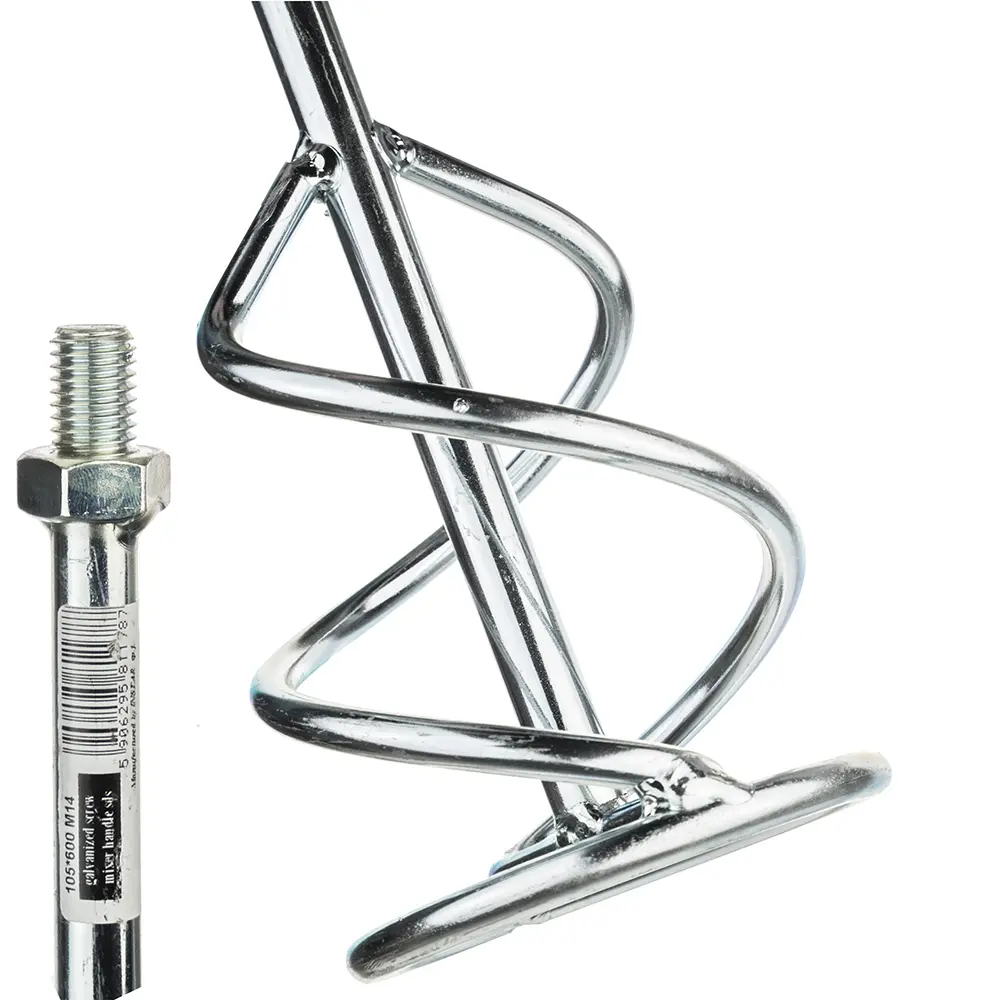
A mixing paddle is a steel shaft with a shaped head designed to fit into a standard power drill or dedicated mixing machine. It allows you to mix materials like plaster, tile adhesive, mortar, concrete, levelling compound, paint and resin quickly and consistently.
For UK DIYers and professional tradespeople, a proper mixing paddle is essential for achieving a lump‑free finish and avoiding costly material waste.
Why Use a Paddle Mixer Instead of Hand Mixing?
✔ Consistent Results
A drill mixing paddle creates a homogenous blend. This is critical for plaster, grout and tile adhesive where unmixed powder pockets can ruin the finish.
✔ Faster Preparation
Mechanical mixing significantly reduces preparation time — especially important for fast‑setting materials like mortar or levelling compound.
✔ Reduced Fatigue
Mixing heavy materials like concrete by hand is physically demanding. A drill transfers the load to the motor, allowing longer working time with less strain.
How to Choose the Right Mixing Paddle
Choosing the correct paddle depends on:
- Material viscosity (thin vs heavy)
- Drill power and torque
- Batch size
- Desired finish (air‑free vs high shear)
1️⃣ Drill Compatibility (Power Matters)
Cordless Drills (Light Duty)
Suitable for paint, small grout batches and light plaster. Continuous heavy mixing can overheat battery drills.
Corded High‑Torque Drills (Recommended for Site Work)
For mortar, screed or concrete, use a corded drill with 800–1300W minimum. For daily professional use, consider a dedicated mixer.
Shaft Types
- Hex shaft (fits standard 10mm or 13mm chuck)
- M14 thread (professional mixers)
- SDS (requires adapter + rotary mode only)
👉 See our range of heavy duty M14 mixing paddles for mortar and concrete mixing
👉 Browse hex shaft mixing paddles for standard drills
👉 Shop SDS-Plus Mixing Paddles
2️⃣ Paddle Shape (Flow Direction & Performance)
| Action Type | Paddle Shape | Best For | How It Works |
|---|---|---|---|
| Bottom‑Up (Positive) | Spiral / Helix | Concrete, mortar, screed | Lifts heavy material from bottom upward |
| Top‑Down (Negative) | Reverse spiral | Paint, resin, gypsum | Pushes material downward to reduce splashing |
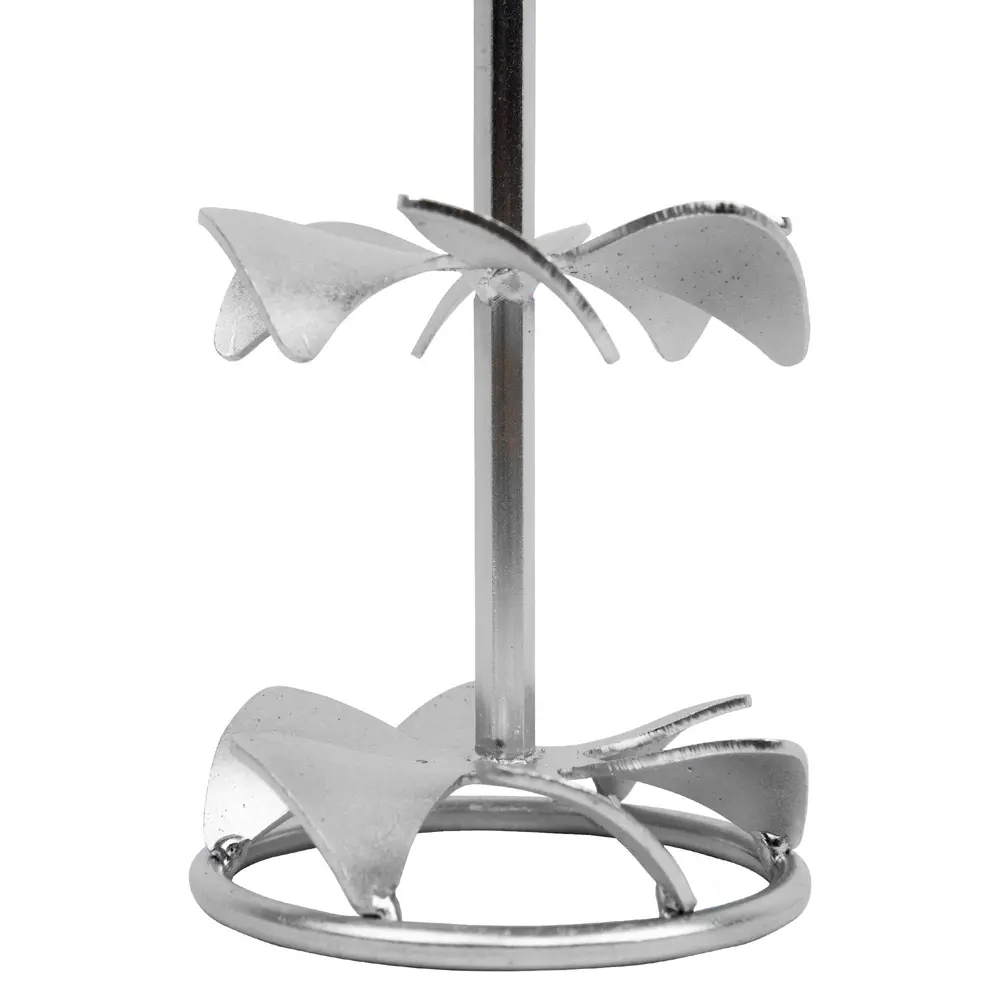
| Shear / Parallel | Flat blade | Tile adhesive, filler | Creates strong shear force to break lumps |
Matching the Paddle to the Material
Mixing Paint (Low Viscosity)
- Use a flat or light-duty paddle
- Keep RPM low to avoid air bubbles
- Avoid aggressive spirals that whip air into the mix
Mixing Plaster & Joint Compound (Medium Viscosity)
- Use a basket or medium helix paddle
- Keep speed between 0–300 RPM
- Avoid over‑mixing to prevent surface bubbles
👉 Recommended: plaster mixing paddles for smooth finishes
Mixing Concrete & Mortar (High Viscosity)
- Use a heavy‑duty steel helix paddle
- Bottom‑up mixing action is essential
- Minimum 1000W drill recommended
👉 Explore: concrete and mortar mixing paddles for heavy materials
Mixing Resin & Epoxy
- Use a flat or folding paddle
- Gentle mixing motion
- Avoid vortexing to maintain clarity
👉 Browse Precision Mixing Paddles for Epoxies and Coatings
Step‑by‑Step: How to Use a Mixing Paddle Correctly
- Secure paddle tightly in chuck.
- Insert paddle into material before starting.
- Start at low speed (soft start).
- Use a figure‑eight motion and move vertically.
- Stop while paddle is still submerged.
Following this method prevents splashing, air entrapment and uneven mixing.
Maintenance and Cleaning Tips
The “Spin” Method
Immediately after use, spin the paddle in a bucket of clean water before material sets.
Removing Hardened Material
Dried cement can unbalance the paddle. Light tapping or wire brushing works, but aggressive scraping may damage protective coating.
Oil‑Based Paints
Use white spirit on a cloth. Avoid filling an entire bucket with solvent.
Environmental Note: Never pour cement, plaster or paint residue down drains. Let solids settle, pour off clear water and dispose of hardened waste responsibly.
Troubleshooting Common Mixing Problems
| Problem | Cause | Solution |
| Air bubbles | Mixing too fast / vortexing | Lower speed, keep paddle submerged |
| Splashing | Starting at full speed | Start slow before increasing RPM |
| Motor overheating | Drill lacks torque | Use 850W+ corded drill or reduce batch size |
| Unmixed lumps | Poor bucket movement | Use figure‑eight motion and scrape edges |
Frequently Asked Questions
Can I use a regular drill for mixing?
Yes — for paint, grout or small plaster batches. Heavy mortar or concrete requires a high‑torque corded drill.
What’s the difference between spiral and flat paddles?
Spiral paddles lift material (ideal for mortar and concrete). Flat paddles create shear force (better for paint and adhesives).
Do mixing paddles fit all drills?
Most use hex shafts for standard chucks. Professional mixers use M14 threads.
Can I use an SDS drill for mixing?
Yes — simply use rotary‑only mode (never hammer mode).
Final Advice for UK Trades & DIY Projects
Choosing the right mixing paddle protects your drill, improves finish quality and saves time on site. Whether you’re mixing plaster for skimming, adhesive for tiling, or mortar for structural work, matching paddle geometry and drill power to the material is critical.
👉 Need a reliable mixing paddle built for daily site use?
Explore our professional mixing paddles designed for durability, balance and consistent on-site performance.